Discover how air purifier humidifiers can improve turn your home into a healthy place to live.
During winter, colds and flu always feel like they are everywhere, aren’t they? And for me that is also the time when my allergies really start to flare up. Then, just as we start to feel ready for spring, pollen appears, dust builds up indoors and suddenly the air inside our homes feels just as challenging as the air outside.
I live in Brighton with my dog Teddy, and between coastal air, single glazing, heating being on more than I would like and muddy paws coming in and out of the garden, I’m constantly aware of what is floating around invisibly in the air. I have suffered with allergies for years, and as an interiors stylist I also see these same issues in so many other homes too.
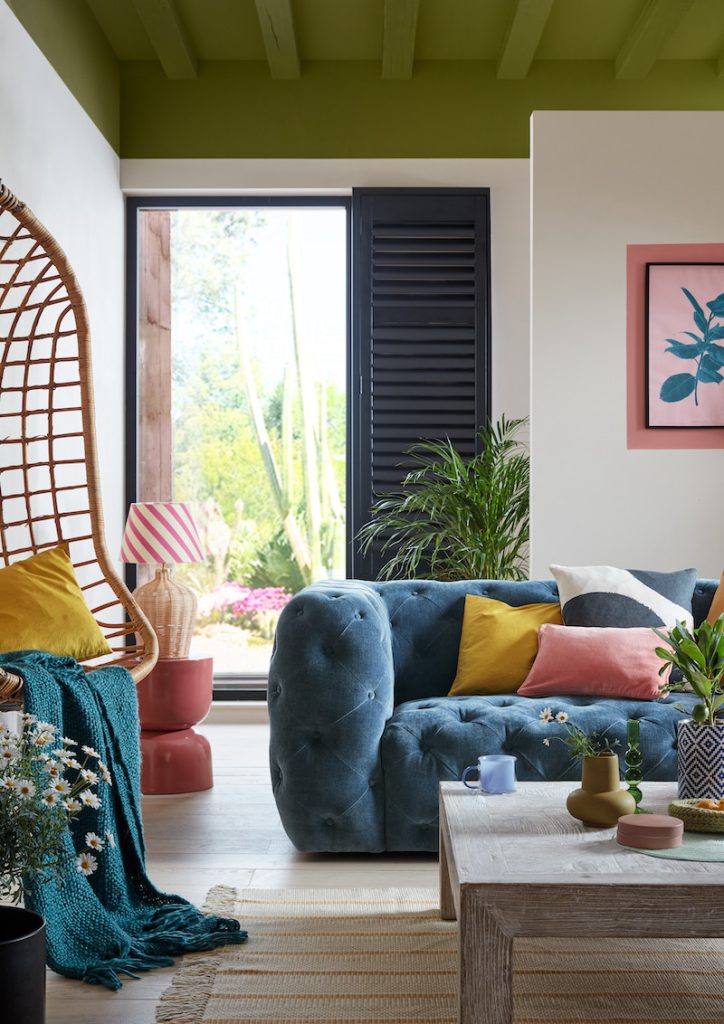
The problem is we shut our windows through winter, dry washing indoors, turn the heating up and accidentally trap dust, moisture, pet dander and pollutants inside. That is exactly why I started paying closer attention to air quality at home and why I added an air purifier humidifier became part of my setup.
The optimal indoor humidity in our homes should hover between 30-60%, with the sweet spot falling between 40-50% for both human health and home preservation. Many of our homes do not reach that without a little help.
This article shares what I have learned along the way and how improving the air you breathe every day can genuinely make your home feel healthier, calmer and more comfortable.
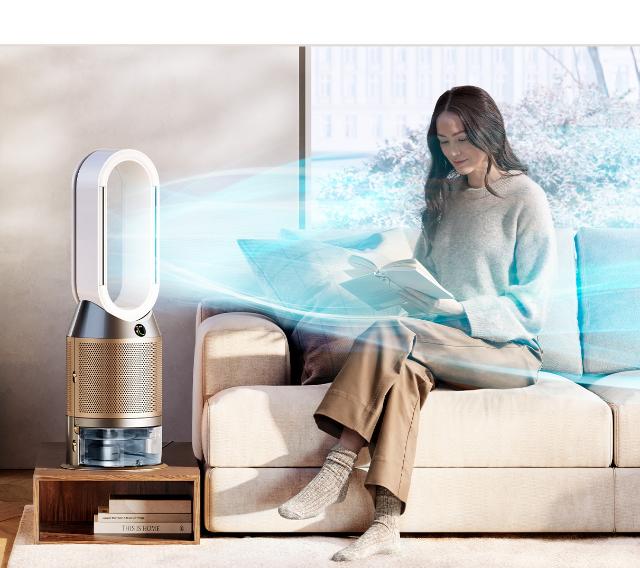
What’s the difference between an air purifier, a humidifier and an air purifier humidifier?
Air purifiers and humidifiers might sound similar because they both deal with air but they do very different things. Air purifier humidifiers draw in air and filters out pollutants, allergens, dust, pollen, pet dander, even mould spores all the tiny irritants that make us sneeze or wheeze.
A humidifier, on the other hand, adds moisture to the air which can help if your indoor air gets too dry (from heating, central heating, or winter weather). Dry air can worsen dry skin, irritated sinuses and cause frequent static shocks.
Some air purifier humidifier combines both functions: cleaning the air and adding moisture which is especially useful for people like me who deal with dust, pet hair, dry winter air and allergies all at once. According to the manufacturer’s information, these combos are designed to hygienically clean the air while rehydrating dry air and help maintain a comfortable indoor environment all year.
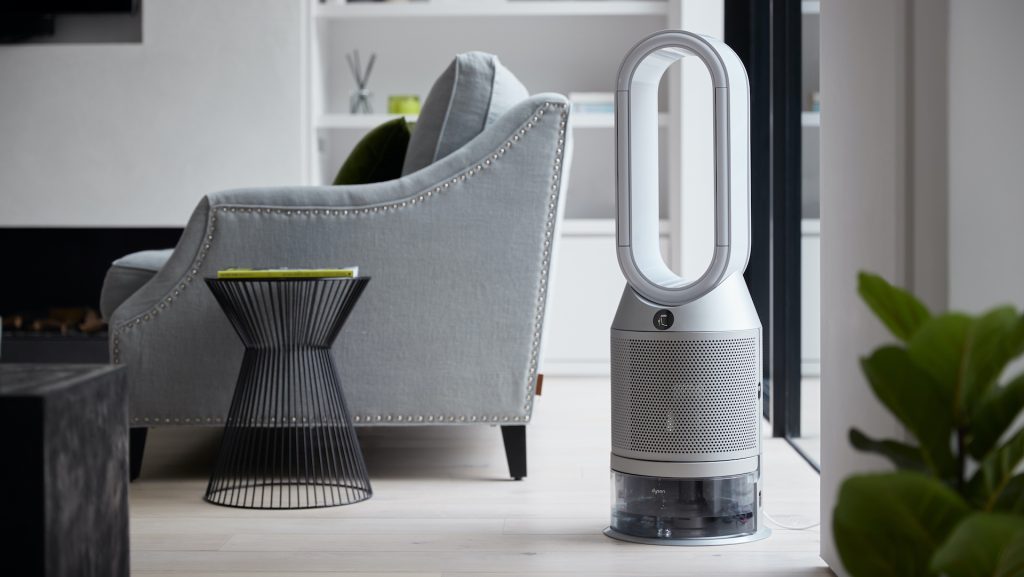
Why might You need an air purifier humidifier right now?
To truly understand humidity’s impact on air quality in your home, you need to grasp the problems created by both ends of the spectrum. When humidity climbs above 60%, your home becomes a breeding ground for mould, dust mites, and various microorganisms. These unwelcome guests flourish in moisture-rich environments, releasing allergens and potentially harmful compounds directly into the air you breathe.
On the flip side, humidity levels below 30% spell trouble in different ways. Dry air irritates your respiratory passages, cranks up static electricity, and can significantly worsen asthma and allergy symptoms. When the air lacks sufficient moisture, your mucous membranes lose their natural protective barrier, leaving you more vulnerable to airborne irritants and infections.
Experts recommend maintaining humidity within the 30-60% range because this zone represents where most allergens, mould spores, and harmful microorganisms simply can’t reproduce effectively, while your respiratory system operates at peak performance.
Because the air inside homes can often be worse than outside especially in winter. Studies show that indoor air can be up to five times more polluted than outdoor air which matters when we spend most of our time indoors.
If you:
- Have pets (like me, with my dog) and worry about fur, dander, or sneezes
- Struggle with allergies or hay fever especially in spring when pollen levels rise
- Live in a home with central heating or single-glazed windows which can dry out air or trap pollutants
- Want to reduce dust, pollen or pet dander indoors
- And maybe you also feel dry air on colder days, causing dry skin, scratchy throats or static shocks
Then air purifier humidifiers can make life more comfortable at home. They tackles particles and pollutants and air dryness at the same time which is often where home-air problems begin.
How do air purifier humidifiers help with dust, pollen, pet hair and allergens?
Because air purifiers inside these devices use HEPA (or similar high-efficiency) filters, they can trap tiny particles like pollen, dust mites, pet dander, smoke, mould spores, even some bacteria before they settle on surfaces or float in the air.
That means: fewer dusters needed, cleaner air while you sleep, and fewer allergy triggers. As someone who wakes up sneezing or congested if dust builds up, this was a game-changer.
Plus the humidifier side can reduce how dry the air feels, which helps with irritated sinuses, dry throats, dry skin or static shock especially in winter. So you get double benefit: less stuff in the air, and air that feels more balanced for comfort.
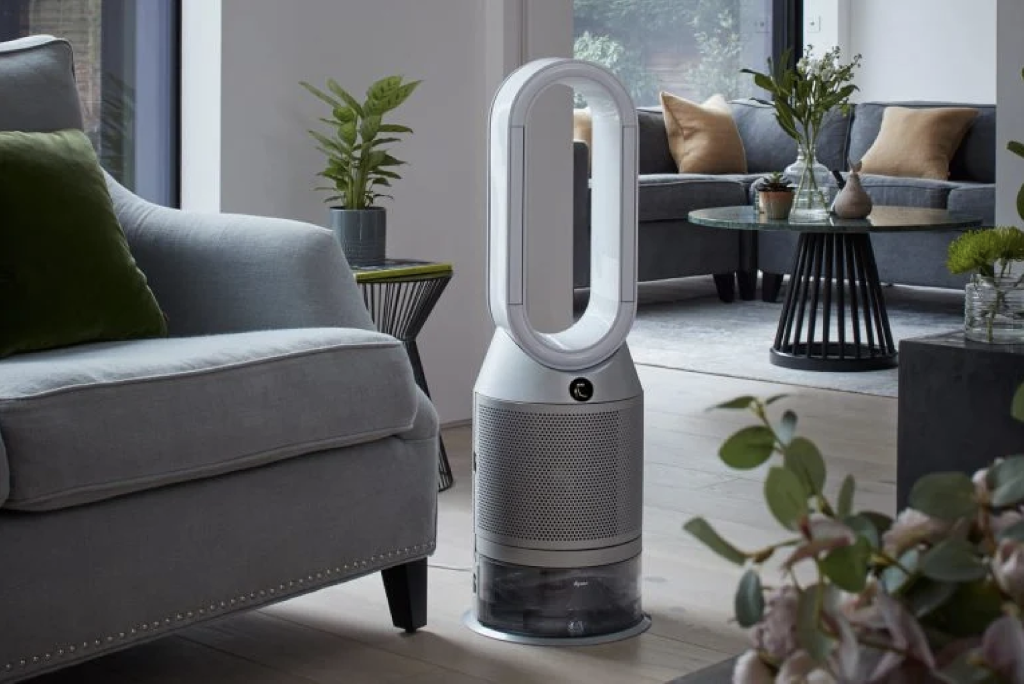
Are there any risks or things You Need to watch out for with humidifiers and purifiers?
Yes it’s not totally magic. If not used or maintained properly, a humidifier can introduce too much moisture which encourages dust mites or mould or if dirty distribute bacteria or mould particles.
Also, humidifiers don’t clean the air by themselves. If you only humidify you’re still breathing whatever dust or allergens were in the air to begin with. That’s why combined air purifier humidifiers makes sense totla in many homes, especially if allergies, pets or dry air are all part of the situation.
If you decide to use one:
- Clean and maintain your humidifier regularly including the filters, water tank, etc.
- Keep indoor humidity at safe, balanced levels around 40–50%, not too high to avoid mould or dust-mite growth
- Combine filtration and humidification for best results
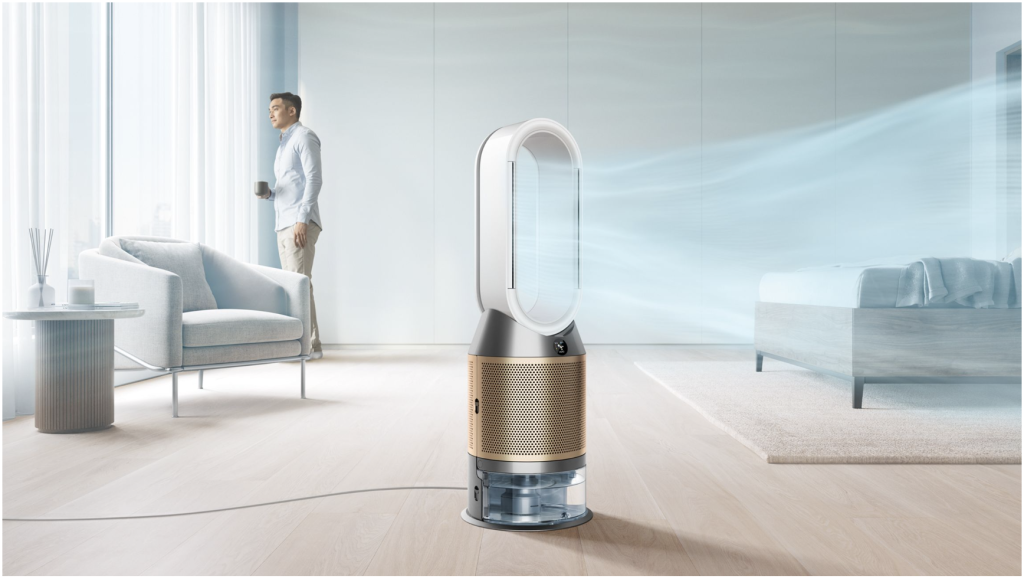
What to Look for when shopping for air purifier humidifierS
When I started shopping, I had a few firm criteria in mind:
- It had to filter dust, pollen and pet hair
- It had to humidify without making the air damp
- It needed to feel safe and smart with automatic settings, good filtration, and clean airflow
- It also needed to feel like a long-term investment: something I could run year-round, to help with winter dryness and spring/summer dust/pollen
That’s when I came across air purifier humidifiers that, according to their spec, remove 99.97% of allergens and pollutants as small as 0.3 microns a strong safeguard for allergy-prone families. How cool is that?
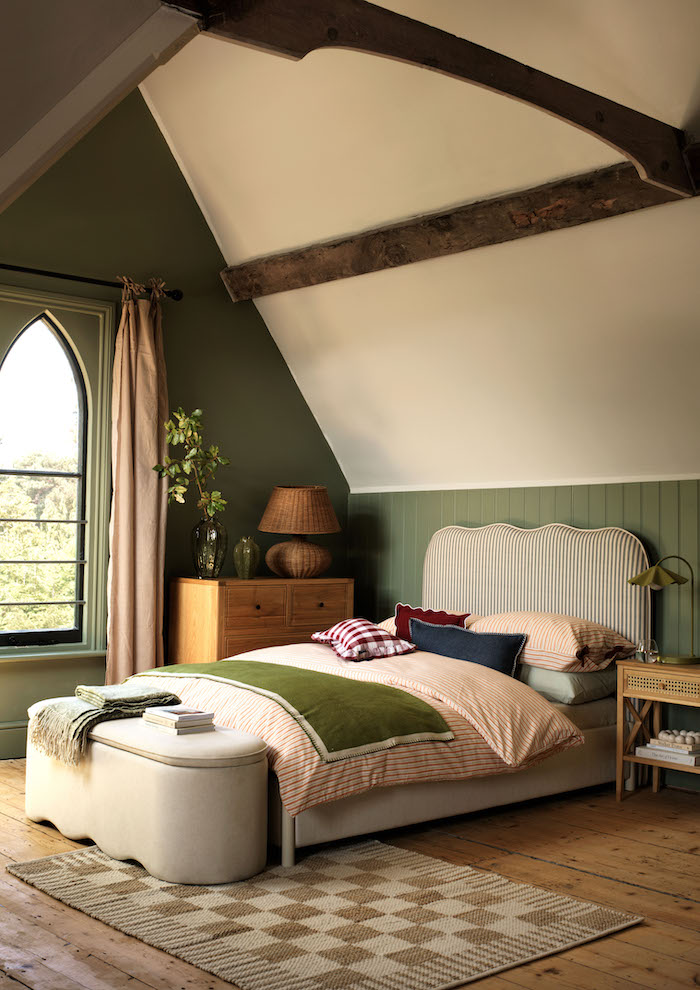
After using it for a few months, I noticed:
- Less dust settling on surfaces
- Fewer sneezing fits, especially mornings
- My dog’s dander seemed less aggressive in the air
- Air felt less dry even on cold, heated days
- My home just felt fresher and that stuffy winter air feeling eased in every room.
If you’re considering an air purifier humidifier, here’s a quick checklist to help you shop for the right one:
- Look for a HEPA or high-efficiency particulate filter to catch dust, pollen, pet dander and allergens.
- Check it clears humidification without dampness or visible mist ideally hygienic humidification so air feels fresh, not muggy.
- Make sure it has settings for automatic air sensing / purification cycles, especially useful if windows are often closed or during high-allergy seasons.
- Choose one that is easy to clean and maintain, especially if you have pets or live somewhere prone to dust and pollen.
- Pick one with good room coverage to make sure the unit suits the size of your living space so it’s effective.
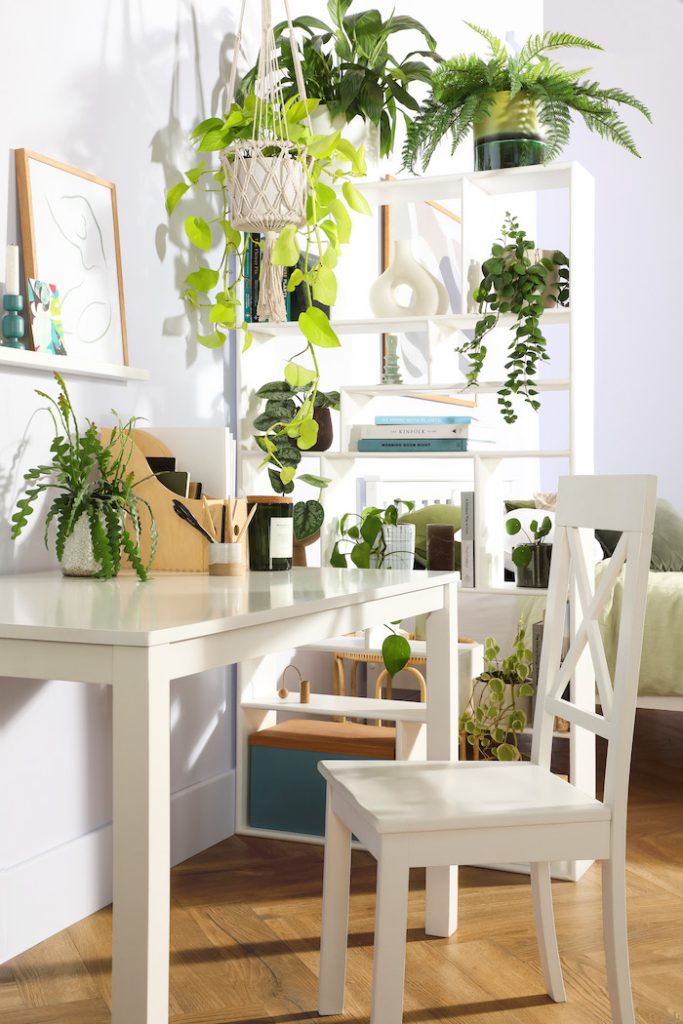
Why INvesting in Air Purifier HumidifIers might make a Real Difference For You and Your Home
Switching to an air purifier humidifier wasn’t an instant fix but over a few weeks I truly noticed the difference. My home started feeling lighter, fresher, less dusty. My dog’s fur didn’t seem to stir up as many sneezes. The dryness that used to plague me in winter like sore throats, dry skin, scratchy sinuses did ease.
If you live with pets, allergies, heating and seasonal changes, then you might find the same relief. For me, it turned a stuffy, sneeze-prone winter into a quieter, easier one. And because the unit works year-round (humidifying when air’s dry, purifying when pollen or dust are high), it’s now part of my home’s long-term care and not a seasonal fad.
If you’re thinking of doing the same, I hope this helps you make that decision confidently. Your home and your lungs might just thank you for it.
FAQ — Common Questions About Air Purifier Humidifiers
Q: Can an air purifier humidifier reduce hay fever, dust and pet allergies indoors?
A: Yes. The purifier side removes allergens like dust, pollen, pet dander, or mould spores from the air before you breathe them in which helps reduce allergic reactions.
Q: Will humidifying the air make mould or dust mites worse?
A: It can if you let humidity get too high or don’t maintain the unit properly. That’s why it’s important to keep humidity in a balanced range (ideally 40–50%) and ensure regular cleaning.
Q: Do I need both a purifier and a humidifier?
A: If your home suffers from both dryness (heated winter air) and allergens (pets, dust, pollen), then yes — a combined air purifier humidifier is often the best solution. It handles both issues in one go.
Q: Will it work year-round, or only seasonally?
A: It can work year-round. In winter, you benefit from added humidity (less dry air, dry skin, dry sinuses). In spring and summer, the purification function helps handle pollen, dust and pet dander. If your unit has good sensors and automatic modes, it adapts well to seasonal changes.
Q: What maintenance does an air purifier humidifier need?
A: Regular filter changes (for the purifier part), and regular tank and water cleaning (for the humidifier part). If you skip this, humidifiers can become a source of dust or even mould so treating maintenance as essential is important.