
This is a advertisement from VELFAC.
When planning a home renovation or new build, window choices are often driven by ventilation and access. But not every window needs to open. At VELFAC, we work closely with homeowners, architects and builders across, and we often see fixed windows used where light, views and thermal performance are the main priorities rather than airflow.
A fixed window is exactly what the name suggests: a window that does not open. While that may sound limiting at first, fixed windows play an important role in many well-designed homes and can offer both practical and aesthetic benefits when used in the right places.
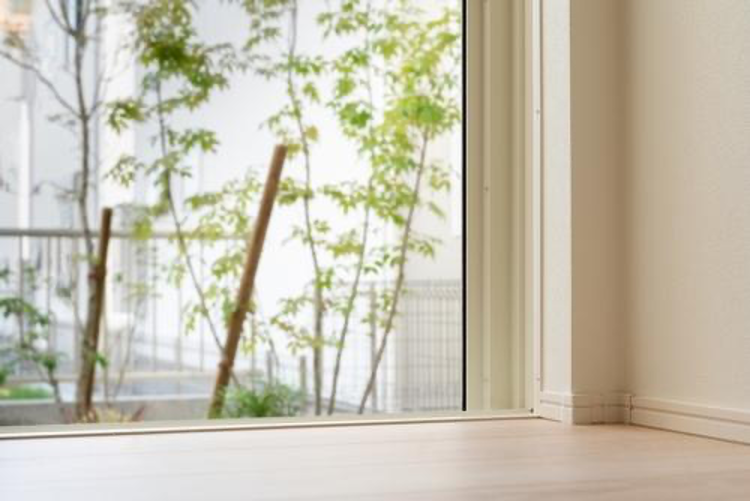
What is a fixed window?
Fixed windows are fully sealed units designed to let in daylight and provide clear views without any opening function. Because they have no hinges or handles, their construction is simpler than that of opening windows. This can result in improved airtightness and reduced maintenance over time.
Fixed windows are often used alongside opening windows, rather than as a complete replacement. The key is understanding where opening functionality is needed and where it is not.
When do fixed windows make sense?
There are several situations where fixed windows are a sensible and practical choice:
- Areas where ventilation is not required
In spaces such as stairwells, hallways or double-height living areas, ventilation is often already provided elsewhere. In these locations, fixed windows allow homeowners to maximise daylight without adding unnecessary opening functions.
- Hard-to-reach positions
Windows placed high on walls or in areas that are difficult to access can be impractical to open and clean. Fixed windows remove this issue while still delivering natural light and a connection to the outdoors.
- Large glazed sections
For wider window spans or floor-to-ceiling glazing, fixed units provide stability and clean lines. They are often combined with opening windows nearby to balance appearance and function.
Energy efficiency and comfort
Because fixed windows have fewer joints and moving parts, they often perform well in terms of insulation and airtightness. This can help reduce heat loss and contribute to a more stable indoor temperature, which is particularly relevant in the UK climate.
At VELFAC, fixed windows are designed with the same focus on thermal performance as our opening windows, making them suitable for both modern and traditional homes.
Design flexibility
Fixed windows offer a high degree of design freedom. They can be shaped and sized to suit the architecture of the home, whether that means slim vertical panes, wide panoramic glazing or custom configurations.
Used thoughtfully, fixed windows help create bright, comfortable interiors while supporting a clean and consistent exterior appearance.
Choosing the right solution
Fixed windows are not a one-size-fits-all solution, but they can be a valuable part of a well-considered window plan. By combining fixed and opening windows, homeowners can achieve the right balance between light, ventilation and energy performance.
To learn more about how fixed windows work and where they can be used effectively, visit VELFAC’s overview of fixed window solutions.